Consumer Electronics
Retrofitting Ordinary Appliances Into a Smart Home System
An MQTT-based hub, smart plugs, and relay boards that turn regular TVs, ACs, and appliances into a connected system — driving a 17.7% cut in power consumption for users.
Client
A USA-based startup entering the smart home automation market.
Problem Statement
The client wanted to transform traditional appliances — TVs, air conditioners, power plugs — into smart devices with remote control, power-consumption monitoring, and seamless integration with existing systems, using physical relay boards to automate tasks like lighting and air conditioning control in a user-friendly, efficient way.
Solution
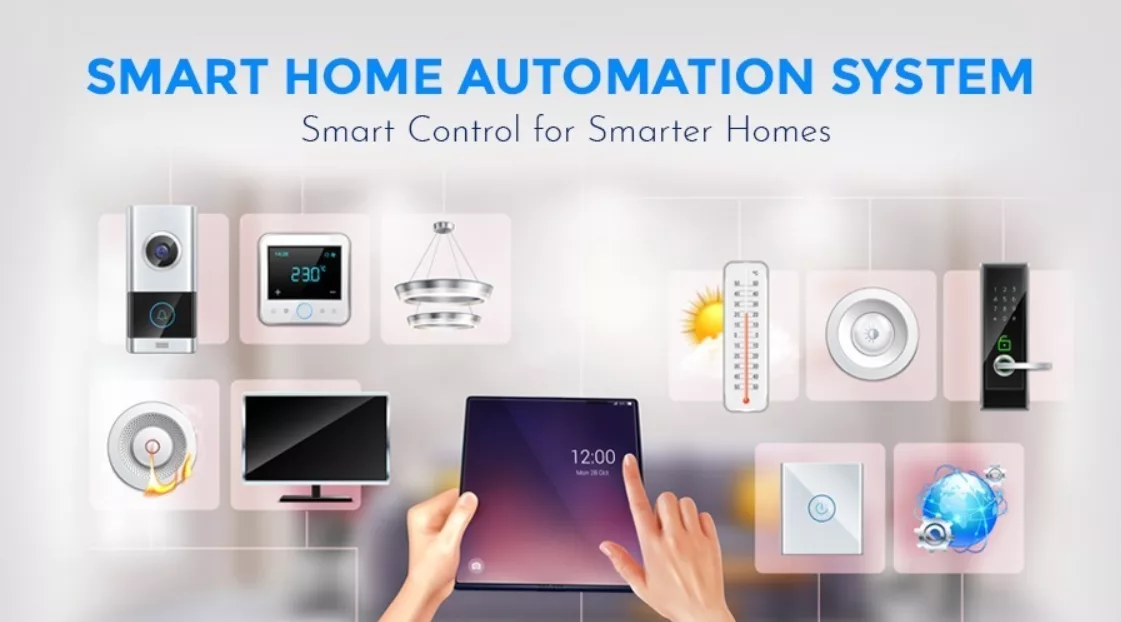
Techshlok built an IoT-based Smart Home Automation System that turns regular appliances into smart devices. Using the MQTT protocol, the system connects appliances — TVs, air conditioners, smart plugs, relay boards — to a central hub, letting users control and monitor them from anywhere through a mobile app.
Research and Planning
A three-month research phase evaluated communication protocols for the IoT devices; the team settled on MQTT for efficient, real-time control and communication between devices in the home.
Prototype Development
- Hub — designed as the main controller for the entire system, connecting to smart plugs, relay boards, and other devices via MQTT.
- Relay boards — installed in key areas around the home, connected to the central hub via MQTT so users could automate switching appliances on/off, manage lighting, and adjust temperature settings.
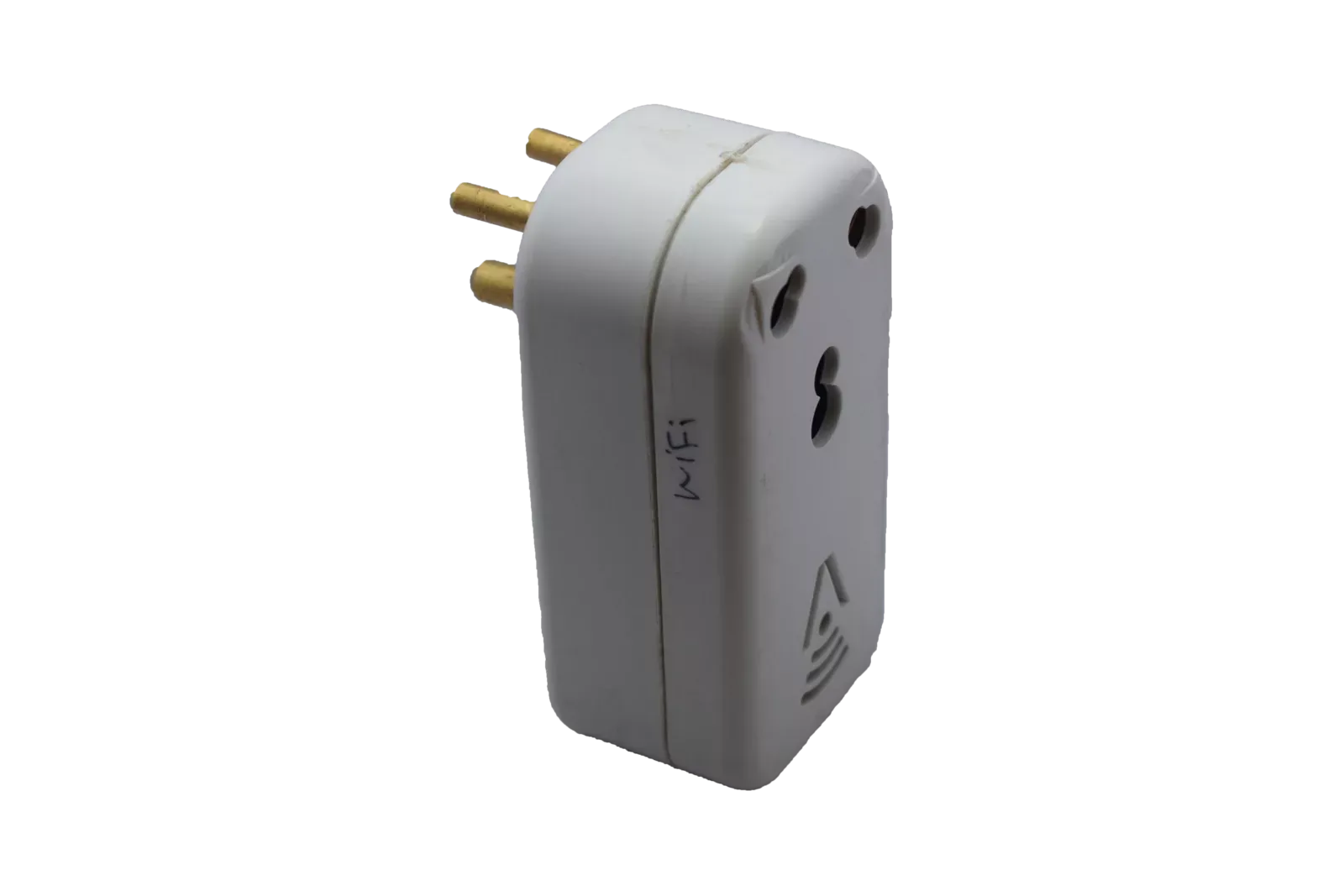
- Smart plugs — enabled remote control of non-smart appliances like lamps, fans, and coffee makers, fitting into a regular socket while also monitoring power usage for energy-consumption insights.
Testing and Iteration
A PCB-based prototype validated the hub’s signal-capturing ability and its reliability interfacing with remote signals from various appliances and communicating with relay boards and smart plugs. Both the smart plugs and relay boards then underwent real-world testing across signal range, response time, and durability.
Power Supply Design and Customization
A custom AC-to-DC converter was developed to power the system efficiently while minimizing heat generation and keeping costs down; the power supply circuit was further optimized for consistent, stable performance without overheating.
Design Finalization and Production
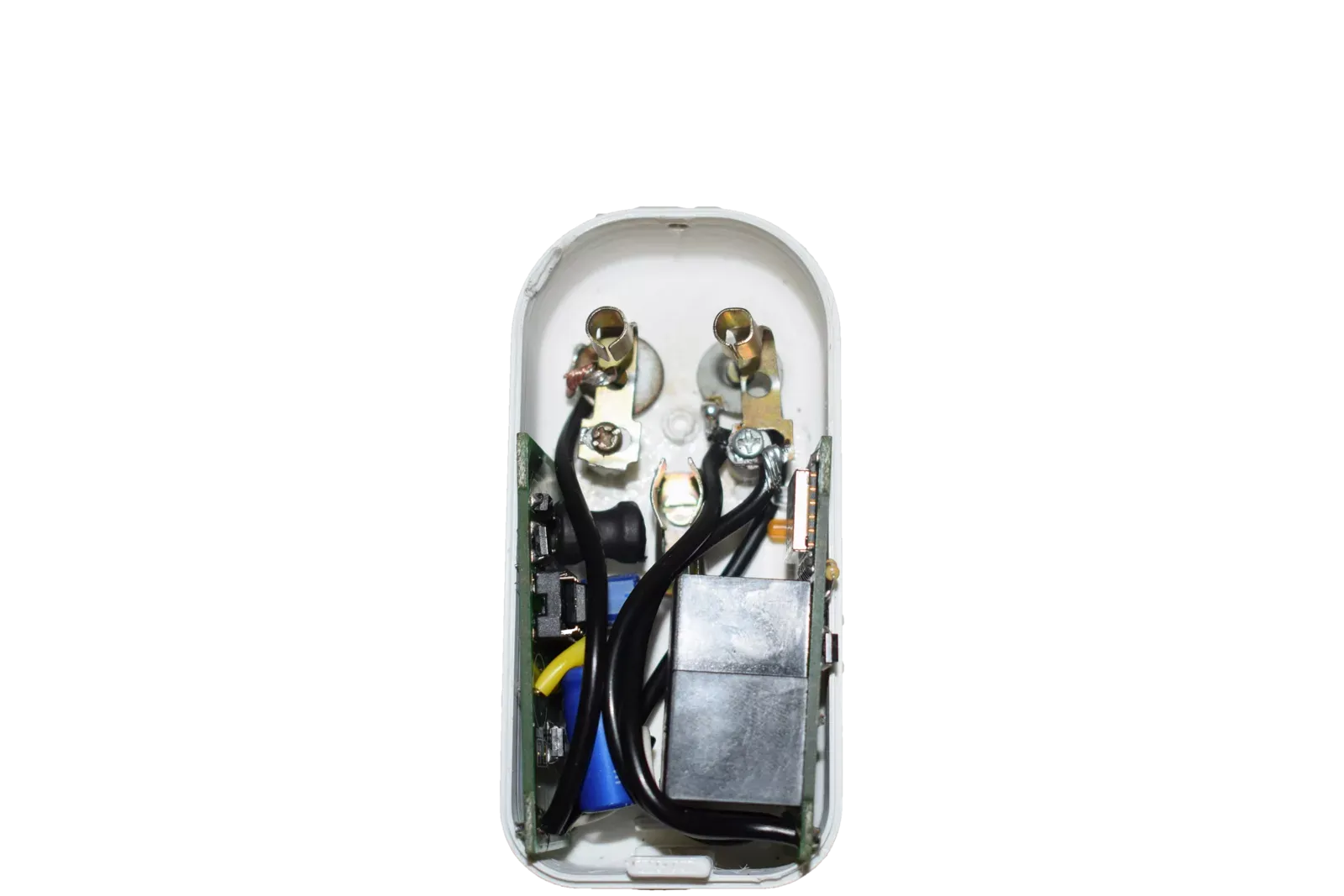
The PCB design was refined for compatibility with the client’s 3D molding forms, allowing it to be housed in a professional enclosure matching the system’s aesthetic and functional requirements. Components were selected to balance cost-efficiency with reliability, and the system was integrated with the client’s mobile app for remote control, energy monitoring, and scheduled automation.
Final Testing and Deployment
The final system passed thorough performance testing — 4G connectivity for remote access, real-time power control, and smooth device integration — before deployment, letting users retrofit existing appliances into a modern, connected smart home system.
Results
The final product let consumers seamlessly integrate existing appliances into a smart home system, with the mobile app enabling power monitoring, remote control, and automated routines to optimize energy usage and convenience.
Business Impact
- Product success — a 17.7% reduction in power consumption for users, boosting market appeal.
- Production growth — enabled an additional 5,000-unit production batch to meet demand.
- Market expansion — scaled the business footprint across 40+ cities.